Peptide handling starts before the vial is opened
A practical introduction to preparation, clean handling, and the small procedural choices that protect the integrity of a research sample.
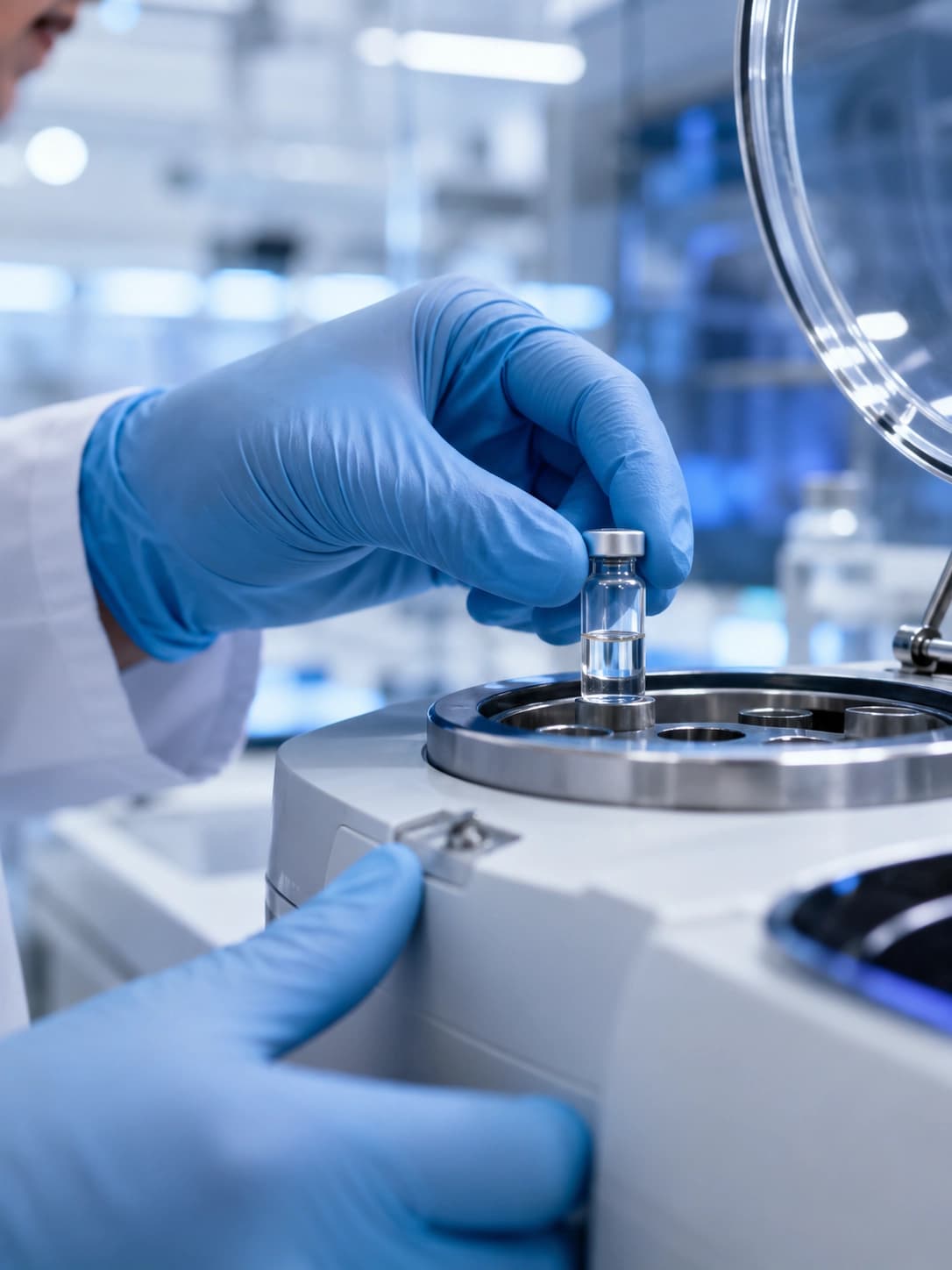
Prepare the workspace first
A repeatable workflow begins with a clean, organized workspace. Confirm the sample identity, assemble the required materials, and document the intended procedure before handling the vial.
Reducing unnecessary movement and interruptions helps limit handling errors and keeps the process consistent between research sessions.
Protect the sample from variability
Use clean tools, follow the documented handling requirements, and minimize exposure to uncontrolled conditions. Small differences in time, temperature, and technique can introduce avoidable variability.
Understand the material state
A lyophilized peptide is a dry matrix produced by freezing and reducing surrounding pressure so that water is removed primarily by sublimation. Although this state can improve stability, the material is not immune to moisture, heat, light, or repeated environmental changes.
Before beginning, review whether the protocol addresses equilibration, reconstitution, mixing, and allowable hold times. These details influence reproducibility because they define the physical conditions under which the sample is prepared.
Control reconstitution variables
When reconstitution is part of a validated research protocol, the selected solvent, final concentration, vessel, and mixing method should be recorded. Introducing liquid changes the molecular environment and may change the sample's sensitivity to temperature, adsorption, oxidation, or microbial contamination.
Avoid assuming that visual clarity demonstrates chemical integrity. A solution can appear clear while still containing degradation products or an incorrect concentration. Analytical controls and documented preparation remain necessary.
Reduce surface and transfer losses
Peptides can interact with laboratory surfaces depending on sequence, concentration, solvent composition, and container material. Unnecessary transfers increase the available surface area and can introduce inconsistent recovery between preparations.
Use the vessel and consumables specified by the method, minimize redundant transfers, and apply the same technique across samples that will be compared.
Record what matters
Document the lot number, handling date, storage conditions, and any observations relevant to the sample. Clear records preserve traceability and make later review more reliable.